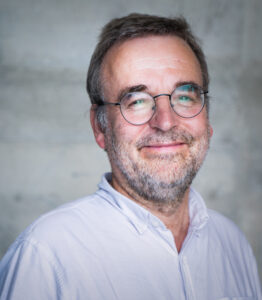
Philipp Reubke born in 1960, Waldorf student in Stuttgart and Berlin, study of philosophy, literature and education in Germany and France, Waldorf teacher in France since 1989, kindergarten teacher from 1995 until 2017. From 2010 til 2020 member of the IASWECE coordinating group. Since 2021, together with Constanza Kaliks, leader of the Pedagogical Section at the Goetheanum in Dornach Switzerland
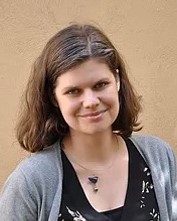 Dr. Lauryna Rakickienė is an Associate Professor at the Faculty of Philosophy at Vilnius University, a psychologist, and a researcher at the Centre for Child Development and Psychoeducational Research. Her research interests include children’s cognitive development, the early prerequisites for academic success, and child-friendly learning environments. She has authored numerous publications in peer-reviewed scientific journals, presents at international and national conferences, and engages in expert work and public education activities.
 Dr. Ramunė Dirvanskienė is a neuropsychologist and an associate professor at the Institute of Psychology at Vilnius University. She earned her PhD in neuropsychology from the University of Edinburgh and gained clinical experience at the Anne Rowling Regenerative Neurology Clinic, where she conducted neuropsychological assessments for scientific and pharmaceutical research. Her areas of interest include brain development and aging, neurodegenerative diseases, and neurorehabilitation. She is also dedicated to popularizing brain science; she is the author of the book *How the Brain Works* (*Kaip veikia smegenys*) and the founder of the portal Neuropaskaitos.lt.
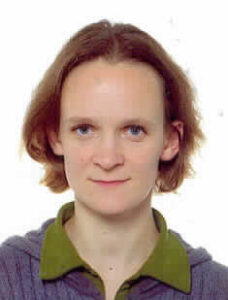 Dr. Monika Skerytė-Kazlauskienė, PhD in Social Sciences, psychologist, lecturer at the Institute of Psychology at Vilnius University, and a member of the Child Psychology Center (a non-profit organization dedicated to child well-being).
I have been interested in play since the beginning of my studies, and it never ceases to amaze me; the more I learn, the more fascinated I become—and the more I realize how little we truly know about play.
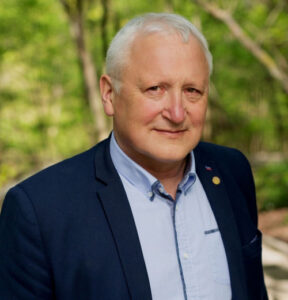 Prof. Albertas Skurvydas (Vytautas Magnus University)
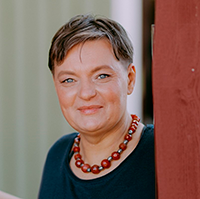 Rasa Ragauskaitė Driukienė is a long-time preschool educator, a practitioner of Waldorf early childhood education, a mentor, and a freelance lecturer. She is the Lithuanian representative to the International Association of Waldorf Kindergartens (IASWECE) and a graduate of the Integrative Pedagogy course.
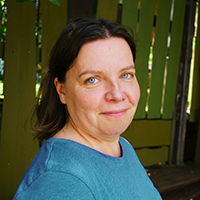 Vilma Grigienė is a preschool and pre-school teacher who has been working at a Waldorf kindergarten for 14 years. She is a lecturer for parents and educators.